
Overview
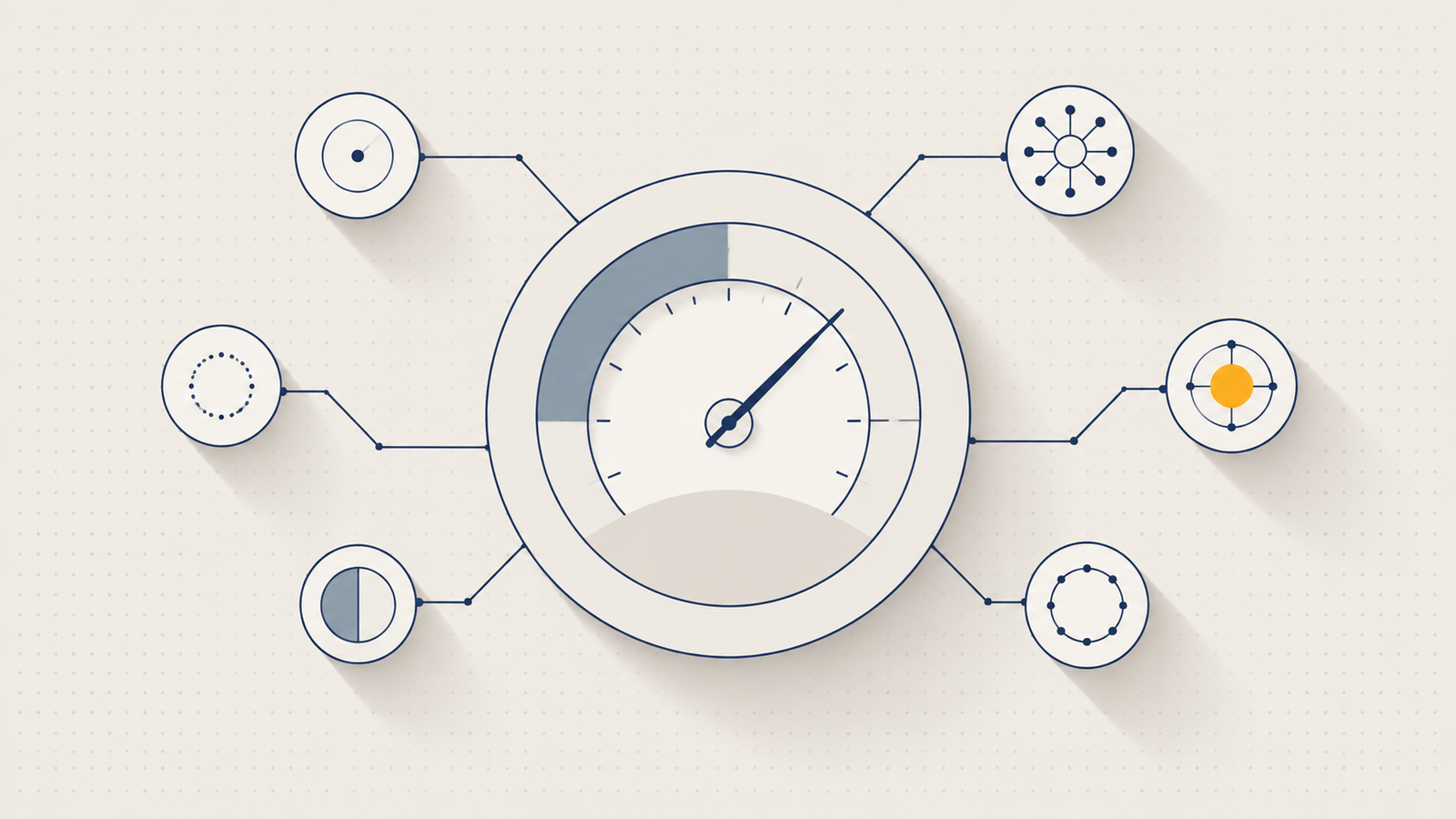
Domain Authority is a third-party prediction of how likely a domain's pages are to rank, owned by Moz and scored from 1 to 100. Google does not use the score in ranking, and each rival vendor computes its own incompatible version from its own crawl of the web. A quoted minimum therefore says nothing about a publisher until you know the vendor, the date, and the exact host. Open the host's referring domains and read the top five as a reader, because that five-minute routine exposes every inflated score.
In this article
Domain Authority is Moz's third-party score predicting how likely a domain's pages are to rank.
If you buy links, you have seen this number on a sales sheet, often as DA 50 or above. That promise settles nothing: the score only reflects what Moz's own crawl happened to find.
I have audited bought-link portfolios for thirteen years, and the pattern repeats. Anyone can list the referring domains behind a quoted host in about five minutes, and reading them rarely leaves the sales-sheet figure standing.
What is Domain Authority?
Domain Authority is a prediction of visibility, and nothing else. Moz scores it from 1 to 100, higher meaning its pages are expected to rank more often, and states the definition in its guide to Domain Authority as follows:
"Domain Authority® (DA) is a search engine ranking score developed by Moz. It predicts how likely a website is to rank on search engine results pages (SERPs) compared to competitors. The score ranges from 1 to 100, with higher scores indicating a greater ability to rank."
That definition carries three consequences, and the first is that the number is relative. A bare DA 40 says only that the domain's link profile resembles domains that tend to rank in Moz's data.
The second consequence sits inside the scale itself. Moz's guide to Page Authority, the companion metric for single pages, describes a 100-point logarithmic scale: growing from 20 to 30 is much easier than from 70 to 80. In simple terms, Domain Authority works the same way, so equal gaps on a sales sheet hide very different gaps in underlying strength.
The third consequence is where the data comes from. Moz computes the score from its own crawl of the web: anything that crawler never reached counts for nothing.

Those consequences explain why rival scores never line up with Moz's figure. Ahrefs publishes Domain Rating and Semrush publishes Authority Score, each proprietary and each built from its own index by its own method. All three run from 1 to 100 and share almost nothing else, so treating them as interchangeable is the first mistake buyers make, since each summarises a different crawl and the numbers never line up.
How is Domain Authority calculated?
A machine-learning model sits behind the number, trained to predict ranking behaviour from the index's link data. The model weighs how many referring domains point at a site, how strong they are, and how the links pattern together, then compresses the result onto the logarithmic 1 to 100 scale. Moz publishes neither the factors nor the weights, so nobody outside can reproduce the figure.
Most of that weight rests on one input, the referring domain: one distinct website linking to the measured site at least once. Ten links from one domain count as a single referring domain, while one link from each of ten domains counts as ten. Search engines have long treated each fresh referring domain as an independent citation, with each further link from an already counted domain adding progressively less, and DA follows the same citation logic.
From that input follows the blind spot: the model reads link relationships and never sees editorial standards. A link inside a reported article researched by a named journalist counts exactly the same as one inside a commissioned guest post bought through a form: both are edges between domains. The model can weight the linking domains differently, yet it can never know that money changed hands.
That blindness is what makes pricing by DA so questionable. When a seller prices inventory by the score, the earned-versus-paid distinction behind the price is invisible to the metric. Our guide to what link building covers draws that line in Google's own wording on paid links.
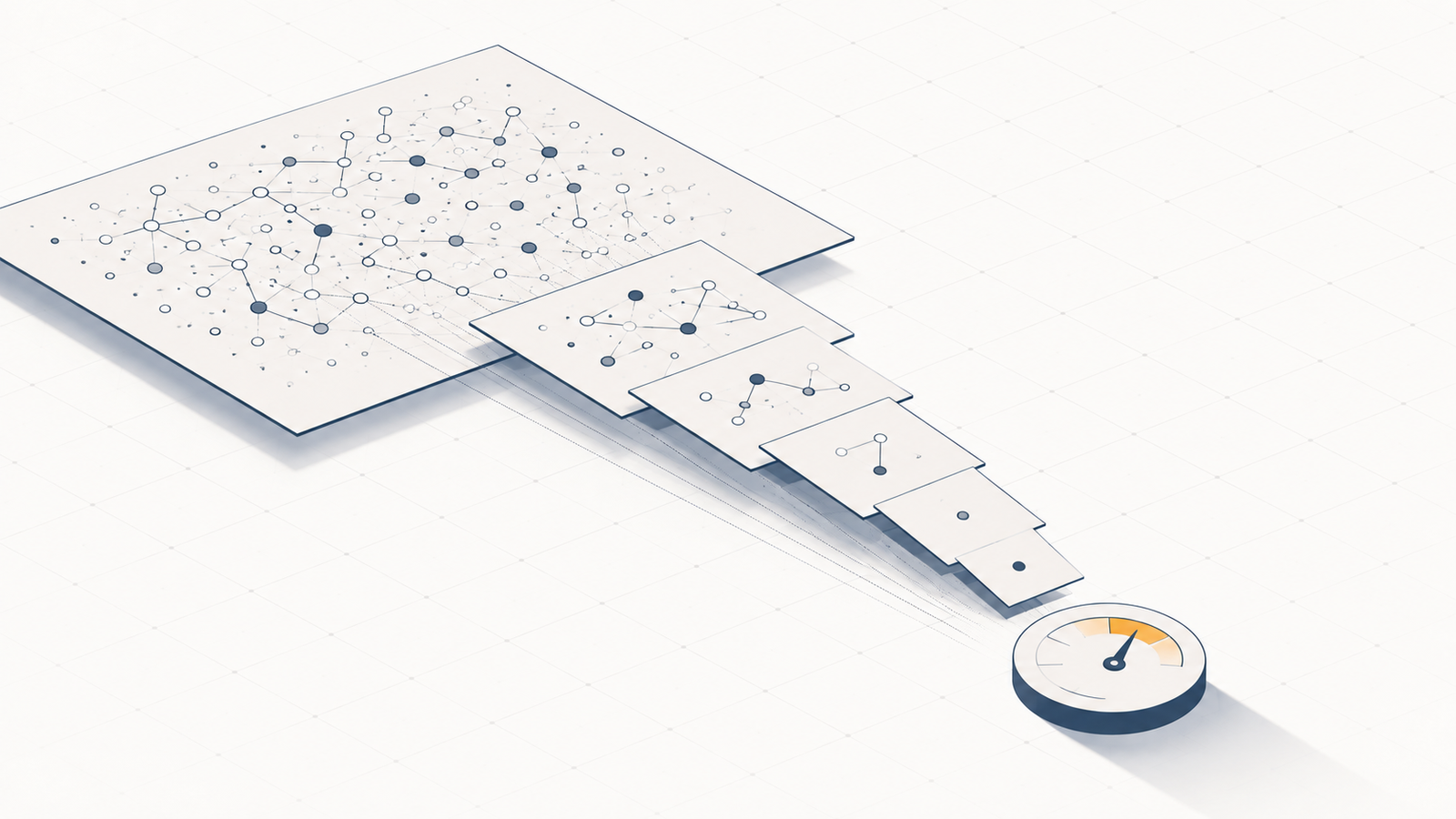
Every figure carries a date, whether the seller admits it or not. Moz rebuilds the score with each index update: new links enter, stale pages leave, and the model itself is retrained.
Each quoted number is therefore a snapshot that drifts with all three and may already differ from the live figure. Ask the seller for the date of every quoted score and re-check it yourself before signing.
Why do two checkers disagree about the same site?
There is no single correct score for a site, because every checker grades its own index with its own model: its own factors, its own ranking observations, and its own scaling to 1 to 100. Two tools can therefore score one host differently and both be right.
The gap usually opens inside the crawl, since each index misses part of the web. One crawler may have found links another has not reached yet or will never fetch, with the same link sitting in one index weeks before reaching another. The spread therefore always traces back to index coverage and never to a defect in either tool, so expect it whenever you compare quoted publisher lists during an audit.

That coverage gap is why a bare threshold such as DA 50+ means nothing until the checker is named. DA 50+ in Moz's index describes one dataset, while the equivalent figure elsewhere describes a different dataset. A seller quoting the threshold without naming the tool keeps the option of switching checkers until each host passes.
Your protection is procedural: insist on three details with every quoted figure: the vendor, the date, and the exact host. A seller who cannot supply all three charges for a figure that says nothing about the publisher, which is precisely the cost of the disagreement.
What is a good Domain Authority score?
The short answer is that a good score is comparative, never a level. Your score is good when it sits above the scores of the pages you must outrank, measured in the same tool at the same time. Comparing competitors side by side inside one index is the only defensible use the number has; no threshold on its own tells you anything about traffic.
Absolute levels mislead because the scale compresses the top and stretches the bottom. A new site can leave single digits behind after a handful of ordinary links, yet each point near the top demands a multiple of the weight behind the last. Bundled low-end placements can still lift a weak domain several points while its competitive position stays put.
Sellers built a market on that gap: packages sold as DA boosters assemble links that register cheaply in Moz's index, through aged domains, directory-style pages, and networks built to host paid posts. The model counts whatever the crawler finds, so the buyer's score rises while rankings rarely follow.
The linking pages carry no readership and no topical relevance, and nobody with editorial standards reviewed them. A score built from that material can rise with nothing behind it that rankings would reward.
What sellers say translates into plain language like this:
Scroll the table sideways for the remaining columns.
| What the seller calls it | What it is |
|---|---|
| DA 50+ publisher | A host scoring 50 or above in one named checker's index on one date, with the editorial standard still unexamined |
| High DA guest post | A paid placement on a host selected for its score, where the score says nothing about who reads the page |
| DA booster package | A bundle of cheaply indexed links assembled to move the buyer's own score, not the buyer's rankings |
| Aged high-DA domain | A host whose score partly reflects links earned by previous, possibly unrelated content under earlier ownership |
| Authority link building | Unspecified placements priced by third-party score instead of by publisher, traffic, and relevance |
Kept in its place, the score still earns a small role: a coarse first filter across a large prospect list in one tool. It sorts obvious mismatches cheaply; a host sitting far below every competitor is rarely worth five minutes of your time.
Order the queue with the score, then inspect the hosts at the top with your own eyes, because a good score only ever meant beating the pages around you. When you are ready to compare providers, our high authority links ranking places publishers with real traffic and editorial standards side by side under our published methodology.
Does Google use Domain Authority?
No: Google does not use Domain Authority in ranking, and the score has no direct effect on search results. Moz states this in the same guide:
"Domain Authority is not a Google ranking factor and has no effect on the SERPs."
That denial is structural, since Google's ranking systems consume Google's own signals over Google's own crawl. A score computed elsewhere cannot enter that process.
It's worth noting that scores and rankings still move together much of the time. They share a cause: strong link profiles score highly and rank well because the underlying links are strong. The score follows that strength and never causes visibility: paying to raise your DA without placing on better publishers moves the number while leaving the rankings where they were.
What to check instead of DA
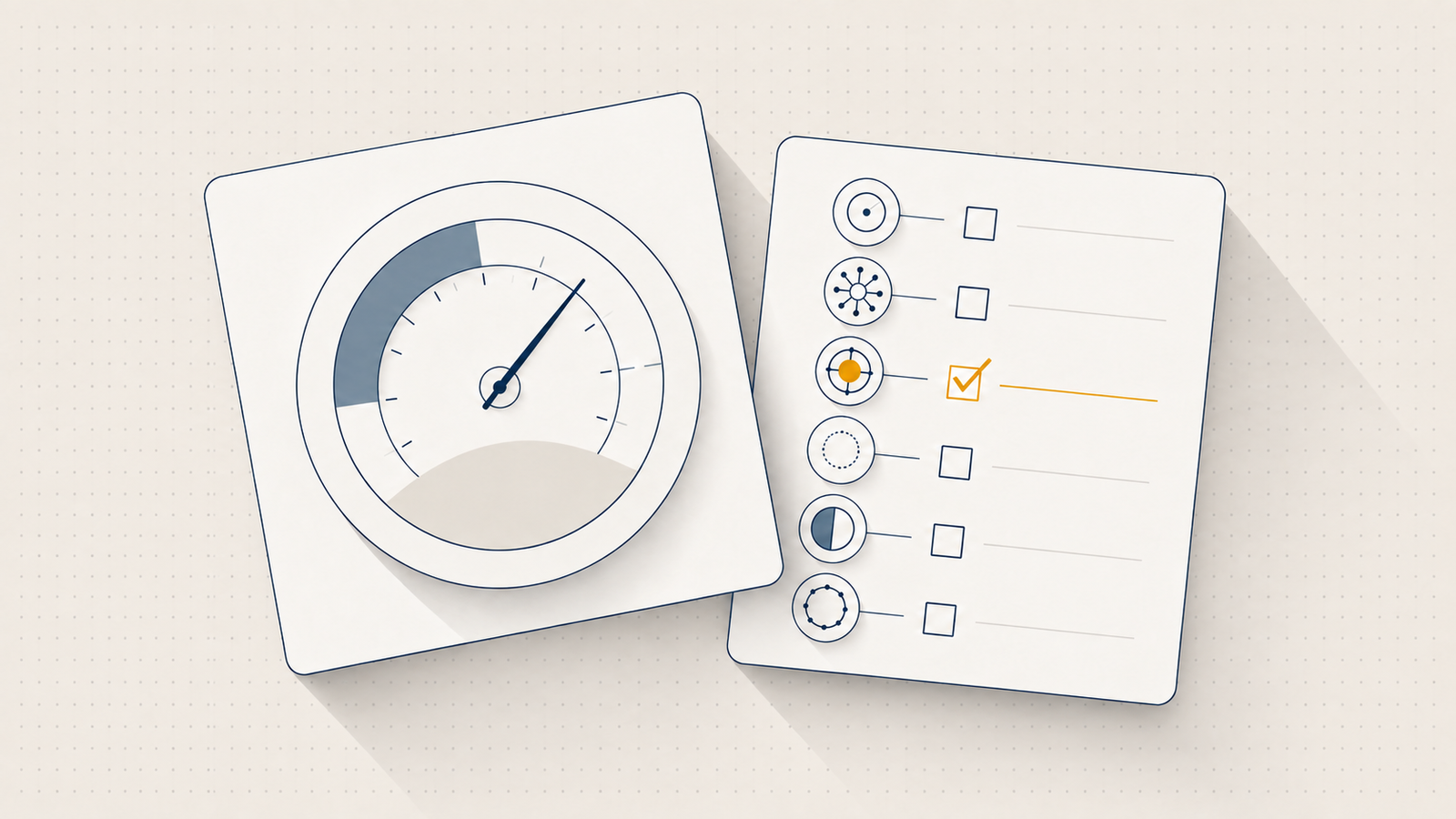
The replacement for the number is a routine you run on each quoted host: about five minutes once practised. You open an established backlink checker and work through the six steps below, examining the domains behind the score instead of the score itself.
- List the host's referring domains. Open an established backlink checker, enter the quoted host, and open its referring-domains report sorted by traffic estimate, highest first. The top of that list is the host's actual support structure.
- Discard the zero-traffic tail. Domains with no measurable organic traffic contribute no readership, and in my audits they have shown almost no ranking effect. A long tail of unread domains behind one large score is the standard shape of an inflated score.
- Open the top five domains and read them as a reader. Look for an about page with named people, bylines that carry dates, and evidence of a real audience: comments, newsletters, or social references. A genuine publication shows its workings, while a site showing none of that is inventory until proven otherwise.
- Check topical relevance. The linking domains should publish in your subject area or one adjacent to it. A citation from an unrelated site still counts as an edge in an index while carrying less topical weight; a reviewer reads it as placement rather than reference.
- Inspect outbound link patterns by opening two or three linking pages and looking at what else they cite. Pages linking out to dozens of unrelated commercial pages, or carrying one-off author boxes beside visible write-for-us pages, are selling placements. The footer, the author box and the publish date tell you more than any score.
- Record a one-line verdict per host. Keep the host only if most of its support comes from readable, relevant, trafficked domains. Everything else fails regardless of DA.

Google's rules sit underneath this routine. Links bought for ranking effect breach Google's link-spam rules unless they are qualified so they pass no credit. A compliant, readable, relevant publisher is an asset under any metric, while a high-scoring host that fails step 3 is still a bad buy.
In every inflated-DA audit I have run, step 3 would have caught the problem. Open the top referring domains and read them as a reader before you pay.
Sources
- 1Moz: Domain Authority: What is it and how is it calculatedhttps://moz.com/learn/seo/domain-authority
- 2Moz: Page Authority (how it is scored)https://moz.com/learn/seo/page-authority
Frequently asked questions
What is Domain Authority?
Domain Authority is a third-party score owned and published by Moz, running from 1 to 100, predicting how likely a domain's pages are to rank against competitors. It describes expected visibility, not traffic, quality, or revenue. Google does not use it in ranking.
What is a good Domain Authority score?
A good score sits above the scores of the pages you need to outrank, measured in the same tool at the same time. No absolute level makes a site authoritative, and the logarithmic scale means small moves near the top cost far more than large moves at the bottom. Use the number to order a prospect queue, then judge the hosts at the top by reading them.
Does Google use Domain Authority?
No, because Google's ranking systems consume Google's own signals over Google's own crawl, so a third-party score cannot enter the process. Moz confirms the score has no effect on search results. Scores and rankings often move together only because strong underlying links produce both at once.
Why does Domain Authority differ between tools?
Each vendor scores its own index of the web with its own model, and each index misses pages the others have found. One crawler can reach a link weeks before another, and each vendor scales to 1 to 100 in its own way. The spread reflects coverage, not a defect, so only compare figures that come from the same tool.
Should I buy links to raise my Domain Authority?
The short answer is no: packages assembled to move the score buy the number without the rankings. Booster bundles collect cheaply indexed links that the model counts while readers never visit, so a higher DA on weak publishers changes nothing in search. Spend the budget on placements your audience would actually read.