
Overview
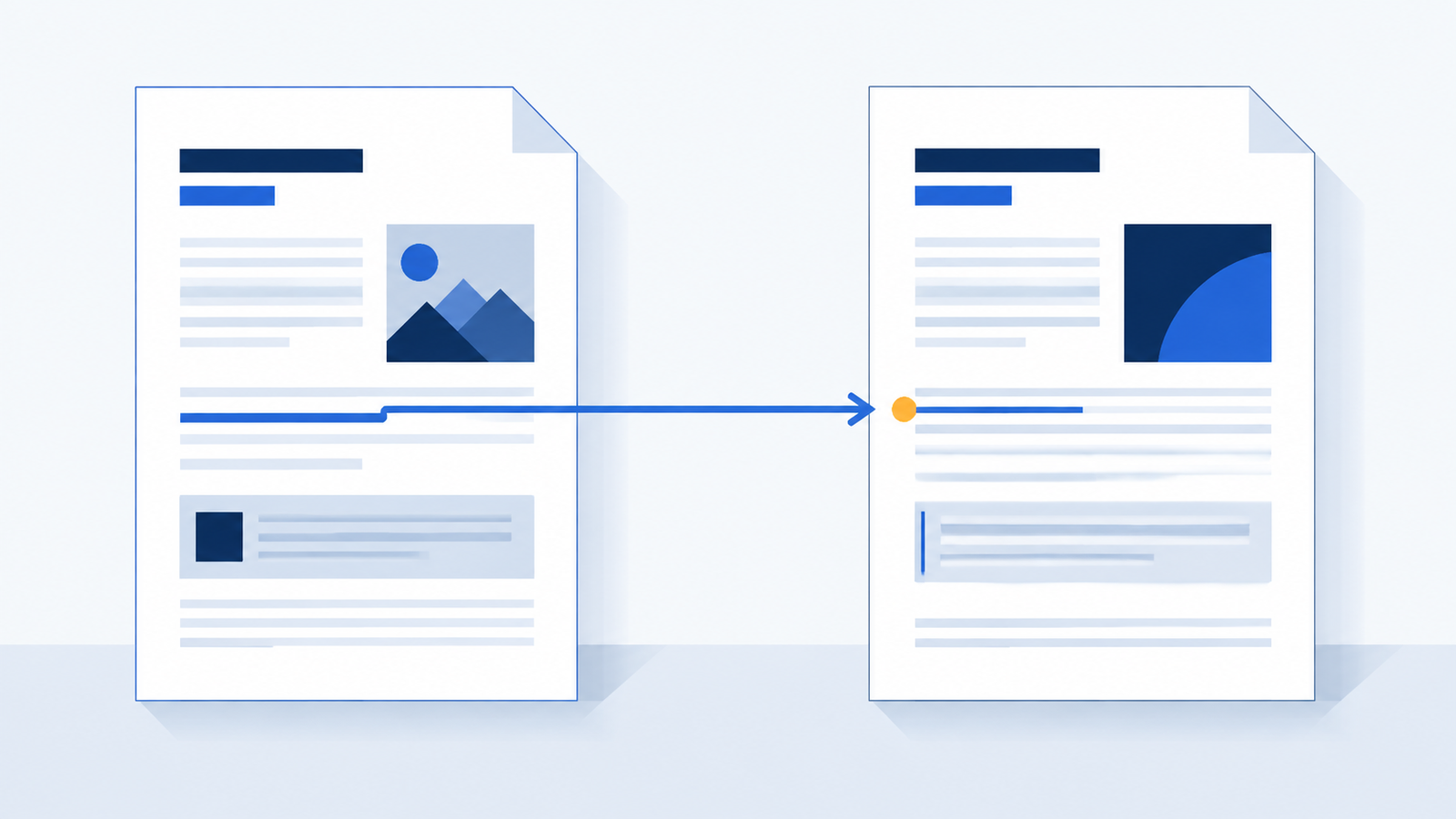
Link building is the work of getting other websites to link to your pages, and search engines count some of those links as votes of confidence. Sellers use the one name for three different markets: earned editorial at £400 to £1,500 per link, paid placement at £80 to £400, and network inventory at £20 to £80. The cheapest links carry the most policy risk and the dearest carry the least. One test settles most confusion: would the link exist if nobody had paid for it?
In this article
Link building is the work of getting other websites to link to your pages. Search engines count some of those links as votes of confidence, and pages with more trusted votes tend to rank higher.
The same name covers a £20 link and a £1,500 link, so the definition is a money question before anything else. Price and risk run in opposite directions here: the cheapest links carry the most policy risk.
I have bought link building for client sites for fourteen years, and the definition above comes from those invoices.
What is link building?
In simple terms, a backlink is a link on someone else's site that points at yours. It works like a citation in a report, because the citing page lends some of its weight to the cited page. That weight passes only if search engines judge the citation genuine.
The standard glossary definition calls it the process of getting hyperlinks from other websites to your own. What neither version mentions is whether money changed hands, and that condition decides most outcomes.
That receipt behind the link is the part of the definition that decides what happens next. A genuine citation helps you, a paid one without a qualifier risks a penalty, and a discounted one does nothing at all. So the definition of link building is incomplete until it says what changed hands.
How does link building work?
Every service you can buy is a variation on the same four steps. You pay for the labour each step takes and for the publisher access the builder already holds. The pitch is the step where the transaction is decided, because the offer behind the link fixes which market you are buying in.
- Prospecting, where the builder lists pages that link to competing sites, sites that cover the topic, journalists who have requested quotes, pages with broken outbound links, directories and resource lists.
- The pitch, where the builder offers something in return for the link: a genuinely useful article, a data point, a product for review, a fixed placement fee or a reciprocal arrangement. That offer decides which of the three markets you are buying in. Two pitches can look identical in a monthly report and be entirely different transactions.
- Placement, where the link appears on the other site with chosen anchor text (i.e. the clickable words), ideally in the main body of a relevant page. Links in relevant body copy pass more weight than boilerplate links repeated on every page, such as footers and author biography boxes.
- Counting, where Google crawls the linking page, notes the link, and decides whether it reads as an independent citation or a paid arrangement. Links carrying
rel="sponsored"orrel="nofollow"tell Google not to count the citation as a vote, which keeps the page within policy and removes most of the ranking effect (see Google's guidance on qualifying outbound links).

Put simply, the counting step is where Google separates citation from payment. A qualifier keeps the page within policy and strips the ranking effect, so a paid link only moves rankings while the qualifier is missing, which is exactly what the policy forbids.
That leaves one test which settles most confusion about how any service works. Ask whether the link would exist if nobody had paid for it. If the honest answer is no, it is a paid placement whatever the invoice calls it.
What are you actually buying when you buy links?
You are buying one of three things, although the invoice always says link building. The single name suits sellers, because it lets a £20 link share a label with a £1,500 one. I have bought all three kinds described below, so the split that follows comes from paying for each of them.
Earned editorial means a writer or journalist linked because it improved their article, usually after a digital PR campaign, an original dataset, a free tool or an answer to a journalist request. Nobody controls the anchor text or the timing, and coverage is never guaranteed. The cost per link is the campaign budget divided by the links won, so it is slow and it is the only category Google has no objection to.
Paid placement means money or goods changed hands for a link that passes ranking credit. Guest posts written mainly for the link, niche edits inserted into old articles for a fee, advertorials and most press-release links all belong here, although sellers call them "editorial" or "outreach". The opposite test gives them away, since no vendor would ever describe its own inventory as paid placement, and every placement disappears the month you stop paying.
Network inventory means links from sites someone assembled or bought for the purpose of selling links. Private blog networks, expired domains rebuilt as link farms and clusters of near-identical niche sites with buy-a-post pages offer attractive per-link prices, because the domains' standing was manufactured. The shared footprint across those sites is what spam reviewers check first.
Scroll the table sideways for the remaining columns.
| What the seller calls it | What it is | Typical price per link, 2026 list | Policy status | Risk |
|---|---|---|---|---|
| Digital PR, earned media, editorial outreach | Earned editorial: independent citation, no payment for the link | £400–£1,500 ($500–$1,900) per link once campaign cost is divided by links won | Compliant | Low policy risk; risk is paying for coverage that never arrives |
| Guest posting, niche edits, sponsored content, outreach links | Paid placement: fee paid for a link that passes ranking credit | £80–£400 ($100–$500) per placement | Violates policy unless qualified with sponsored or nofollow, which removes the ranking effect | Manual action or algorithmic discount; links stop working when the seller's sites are caught |
| Curated networks, private placements, link packages in bulk | Network inventory: links from sites built or bought to sell links | £20–£80 ($25–$100) per link, often bundled in tens | Violates policy | Highest risk: whole networks are devalued at once, and client backlink profiles keep the evidence |
Take ten links to one commercial page at typical 2026 list prices. Earned editorial through a small data campaign costs about £4,000 to £6,000 ($5,000 to $7,600) in fees, and ten links would be a respectable result, so each link has cost about £400 to £600 ($500 to $760). Ten paid placements from mid-range sellers cost about £1,500 to £3,000 ($1,900 to $3,800) all in and arrive in weeks.
Network inventory costs about £300 to £600 ($380 to $760) for ten links and arrives fastest. In other words, the cheapest links carry the most risk and the dearest carry the least, and that is the trade the whole industry runs on.
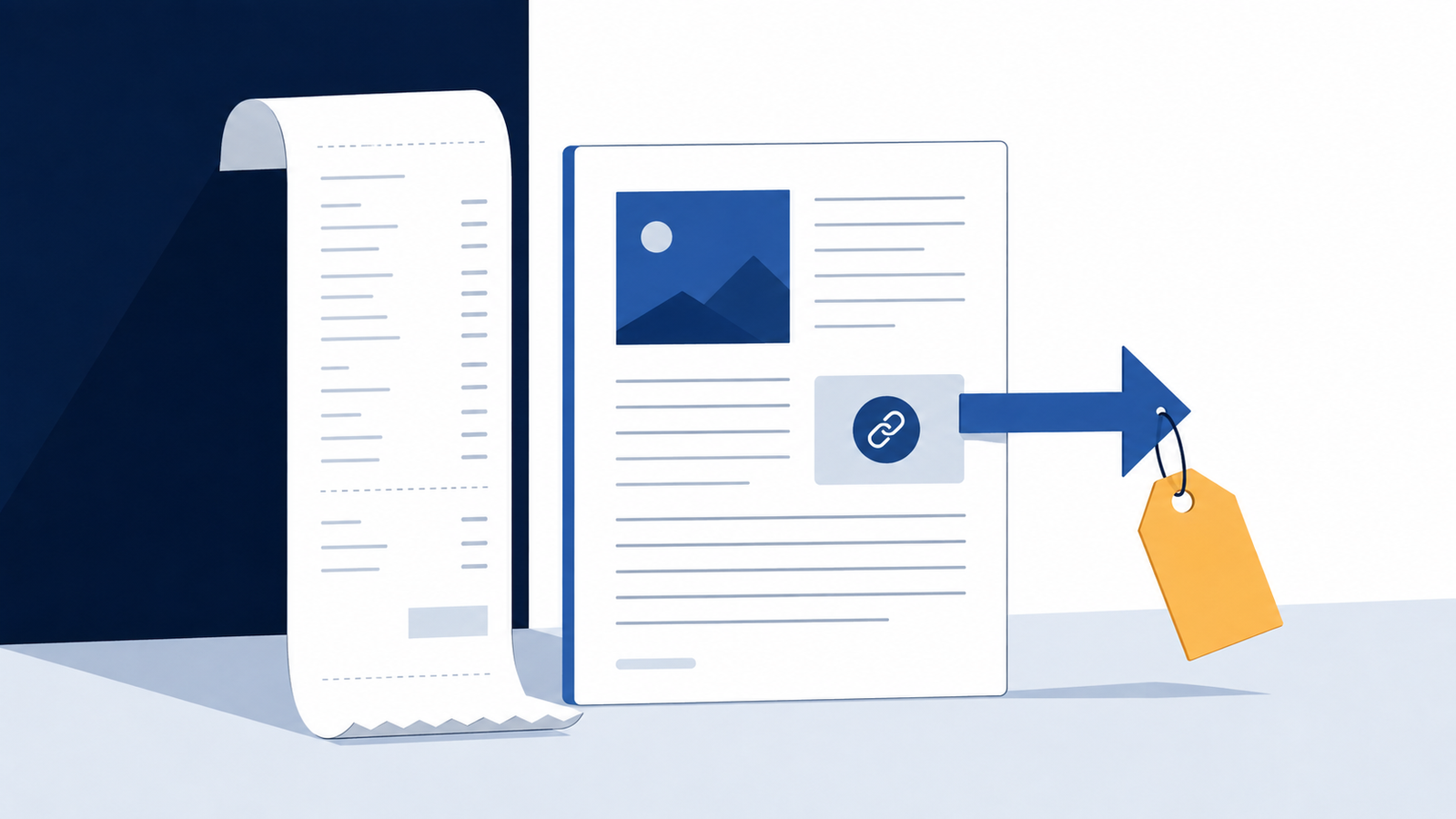
Five years on, the earned links from those invoices still show up in backlink reports, while removing the cheap bundles took the most time of anything I have paid for.
Once you know which of the three markets a quote belongs to, compare providers on price and evidence. The scoring behind every ranking on this site is published in the methodology. Read both before you sign, because the invoice will still say link building whatever you are actually buying.
What does Google say about paid links?
Google says creating links mainly to manipulate rankings is link spam. Buying and selling links for ranking purposes is a named example, and paid links are allowed on one condition only. The policy sits in the link spam section of Google Search Central spam policies.
"Link spam is the practice of creating links to or from a site primarily for the purpose of manipulating search rankings."
Google lists two examples in the same words:
"Buying or selling links for ranking purposes"
"Advertorials or native advertising where payment is received for articles that include links that pass ranking credit, or links with optimized anchor text in articles, guest posts, or press releases distributed on other sites"
Its closing line runs:
"Google does understand that buying and selling links is a normal part of the economy of the web for advertising and sponsorship purposes. It's not a violation of our policies to have such links as long as they are qualified with a
rel="nofollow"orrel="sponsored"attribute value to theatag."
It's worth noting what that closing line means for your budget. A sponsored attribute keeps the link legal and strips the ranking effect you paid for. The buyer needs the attribute missing and the seller needs your repeat business, so the publisher page carries an unqualified paid link of exactly the kind the policy describes.
Everyone in the chain understands the arrangement. Read the policy before signing anything, because a seller who has never mentioned it hopes you never read it.

Is link building still worth it in 2026?
The short answer is yes, though links buy less than they used to while the price of getting caught has stayed the same. Backlinks are one input among many, alongside page quality, brand searches and behaviour signals. You feel their effect most where competing pages are otherwise evenly matched.
Nothing moves a mid-authority page as directly as a small number of genuine citations, and pages ranking for competitive commercial queries still tend to hold stronger backlink profiles. The catch is that search engines have got better at discounting paid placements without telling you, so paid links increasingly cost money and move nothing. Earned citations still count, while manufactured ones increasingly do not.
The DA-threshold link is where buyers get misled most often. Sellers quote a minimum score as if it settled the question, so check what Domain Authority actually measures before you pay for a number.
A single link from a publication your customers recognise will normally outperform twenty placements on sites you had never heard of before the report arrived. If a backlink would send you zero referral visitors and zero professional credibility in a world without Google, price it near zero, because the ranking effect is heading the same way.
I would put most of my own budget into one earned-coverage effort aimed at a page that converts. Paid placements would come later as a slow supplement, bought with the policy line in full view. That split is why link building stays worth paying for in 2026, as long as the money follows the citation rather than the placement.

Sources
- 1Google Search Central: Spam policies (Link spam)https://developers.google.com/search/docs/essentials/spam-policies
- 2Google Search Central: Qualify your outbound links to Googlehttps://developers.google.com/search/docs/crawling-indexing/qualify-outbound-links
Frequently asked questions
What is link building in simple words?
Link building is the work of getting other websites to link to yours. Search engines treat some of those links as votes of confidence. In other words, each genuine link is a citation that lends your page some of the citing page's weight.
What is link building and how does it work?
It is the work of getting other sites to link to your pages, done in four steps: prospecting, the pitch, placement and counting. The pitch decides everything, because the offer behind the link fixes which of the three markets you are buying in. Then the counting step decides whether Google reads the result as a citation or a paid arrangement.
Is link building still relevant?
Yes, links still affect rankings in 2026, though they buy less than they used to, while the price of getting caught has stayed the same. They matter most where competing pages are otherwise evenly matched.
Do backlinks still matter in 2026?
They still matter where they are genuine. A small number of genuine citations still moves a mid-authority page more directly than anything else. Manufactured placements increasingly cost money and move nothing, because search engines discount them without telling you.
How much does link building cost?
At typical 2026 list prices, earned editorial costs £400 to £1,500 ($500 to $1,900) per link once campaign spend is divided by links won. Paid placements cost £80 to £400 ($100 to $500) per placement, and network inventory costs £20 to £80 ($25 to $100) per link, often bundled in tens. The cheapest links carry the most policy risk and the dearest carry the least.
Is paying for links safe?
Paying for a link is safe only when the link carries rel="sponsored" or rel="nofollow", which tells Google to pass no ranking credit. Without that qualifier, buying or selling links for ranking purposes is link spam under Google's policy. Unqualified paid links risk a manual action or a silent algorithmic discount.